Grapevine Stories
Stopped in their tracks
Roger Morgan-Grenville talks to us about nightingales and how it inspires awe and offers a rare connection between nature, memory, and instant human emotion.
As part of Grapevine’s partnership with Scribehound, the digital platform that gives 33 leading rural voices the freedom to discuss the topics that matter the most to the countryside. Grapevine members can feed their passion for the countryside with an original column shared everyday, whilst taking advantage of an exclusive offer of a 3 month free trial and 40% off an annual subscription. Please click here to sign up

There’s a lot of bad poetry around.
I know this, not just because I wrote more than a fair amount of it in my late teenage years, but because there just is. A lifetime ago, I once went so far as to write a poem from behind a riot shield in North Belfast, under the occasional orange glare of petrol bombs; it was as bad as you would have wanted it to be. Original, I would go on to claim, but still awful. Shove anyone into a heightened emotional state for a day or two these days, and the chances are that they will eventually resort to poetry at some stage, and that these resulting poems will be uncomfortably bad.
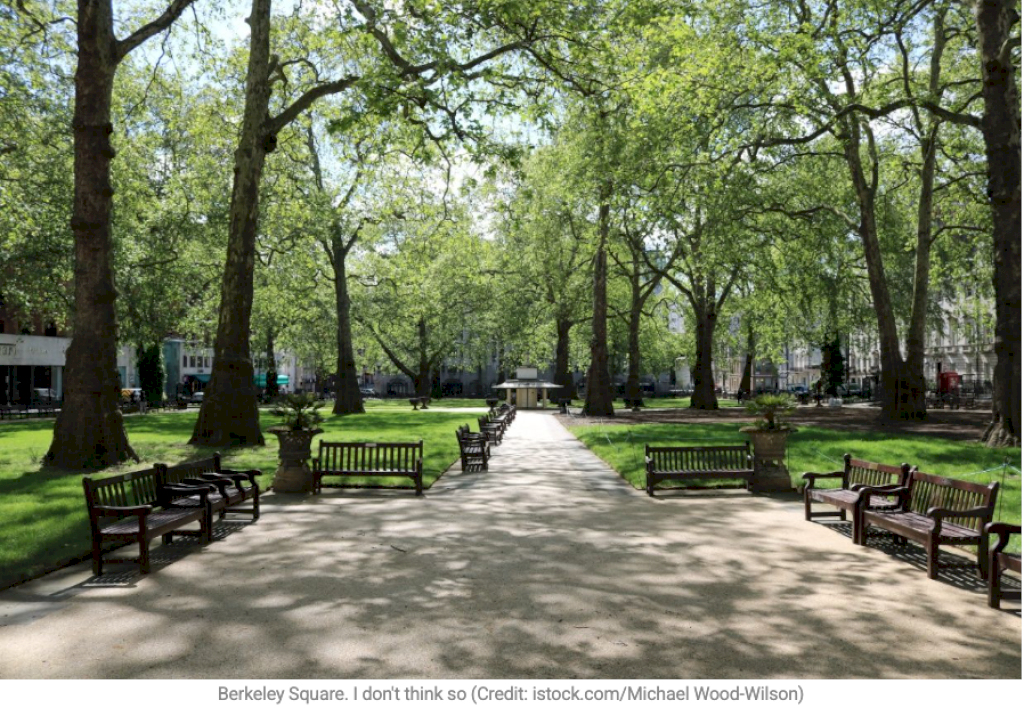
Much of what we optimistically call ‘verse’ is so cliched as to be almost beyond parody. Mine certainly was, until I burned it to unregretful ashes a few Christmases ago. The moody and inappropriate metaphor is king round here, as is the tortured fourth line where something has to be found for the word with which you inadvertently ended the second. A fair number of these poems are written about birds (all that freedom, all that beauty), none more so than the nightingale. Keats, Coleridge, Milton, Bridges and the great John Clare himself, have all been tempted to try to squeeze that song master into a straitjacket of strictly limited syllables. At least they had all probably listened to one, which is probably more than you can say for Eric Maschwitz; if he had, he would probably have understood that, whatever else it was singing its head off in Berkeley Square, it sure as hell wasn’t a nightingale. A blackbird, maybe, but not a bird who needs thick cathedrals of thorn scrub in which to make a home. Anyway, in all probability, angels weren’t dining at the Ritz that night, either.
When sleeplessness pays
Nightingales have recently come roaring sweetly back into my life. In another iteration of a varied career, I have taken up as a wildlife guide in the last few seasons. Whilst the hours are antisocial, to say the least (3.15 am alarm for dawn walks, and back in bed at 1.00 am after the nightingales), it is a strangely glorious counterpoint to my life as a writer. When you write a book, it generally takes months, even years, before you know how or even if your words have landed, and you very rarely get to see someone actually reading them; but when you are guiding people through the dawn, the day, the dusk or the darkness, you know it immediately. It is as close to instant gratification (or not) that someone with a career in communication ever gets.
They have been seasons that have been freighted with urgent learning: if I were paying for a guide, I would also want them to know the difference between the call of a blackcap and a whitethroat, the bark of a sallow and an alder or the print of a fallow or red deer. I am that guide, and I need to do my very best to know these things. Beyond that, it is my job to bring what the place has to offer to life, by explaining all that lies behind it. Or, sometimes, just letting the birds explain it for themselves.
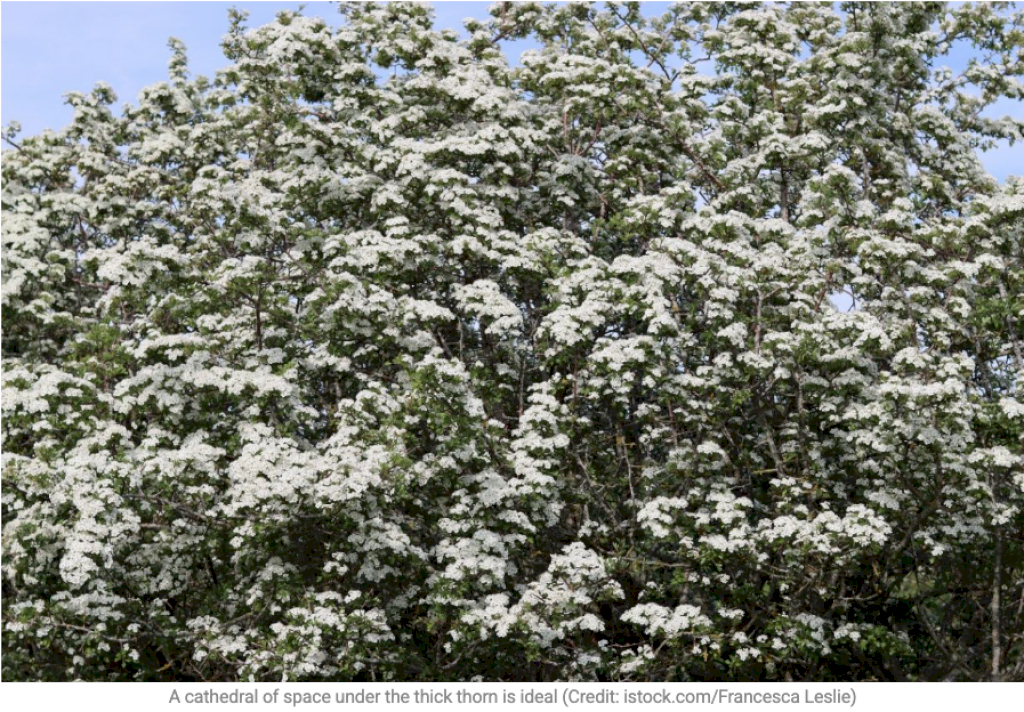
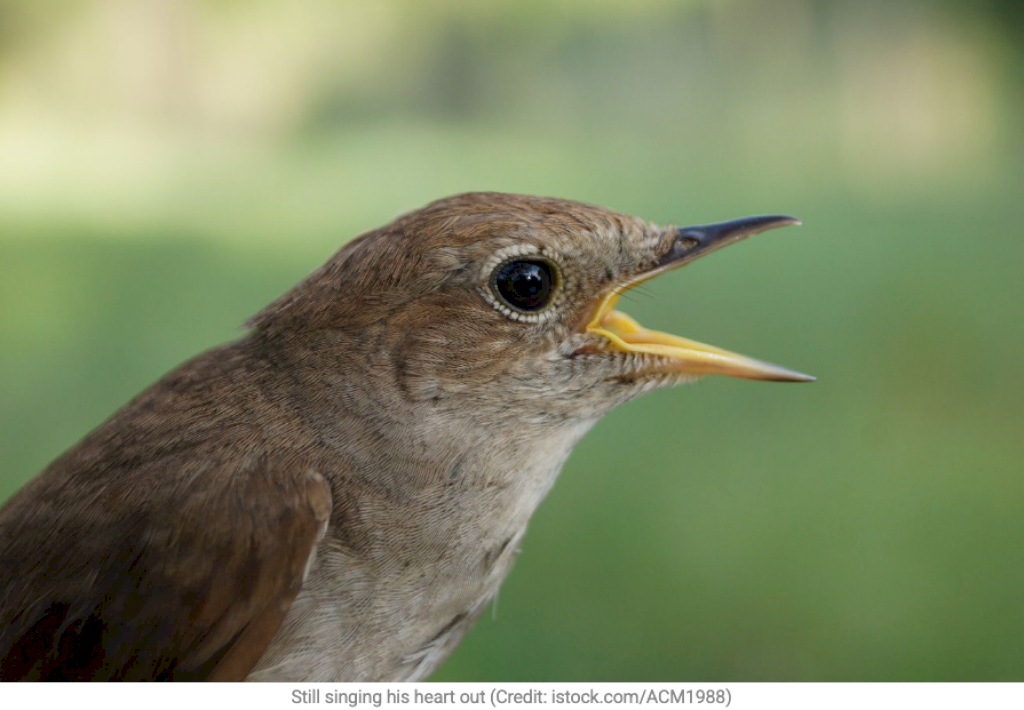
For what seems like every other night over the last week or so, I have been leading groups of people out into the dark scrubland to locate and listen to nightingales. Whilst we have succeeded on each occasion- (there are nearly 50 pairs here, and they sing at a volume that can approach 90 decibels, so it’s not as hit and miss as you might think), we occasionally hit the jackpot. For the last few nights, we have spent a full 30 minutes within a few metres of where one is still singing his heart out in some sallow just above a thorn bush. (And a ‘he’ it is: the song is purely his device with which to lure an incoming female down from the night sky to finish their migration from the Gambia as his restored, or new, mate).
There were a couple of other males in the vicinity, but theirs were rather half-hearted offerings in comparison, as if they were in some way awed into relative quietness by the power of their close neighbour. He is judged on the volume, purity and variety of that song, above all the variety and, with around 1,100 syllables available to him, he can go on for hours without noticeable repetition. Which is what he did and, for all I know, what he is still doing.
Be careful what you wish for
When I started guiding here last year, I was a bit nervous as to whether I would consistently find a ‘good’ bird for them, a state of mind that is quite unnecessary until the end of the season, by which time most have paired up and thus fallen silent. These days, I just relax and enjoy the show, walking slowly among them in the darkness to make sure that they haven’t anything they particularly want to ask or clarify, and rather hoping they don’t. After all, you can’t gild a lily. This is a time when it is best to let the bird speak for himself, when science and ecology can take a back seat to the wonderfully un-virtual experience of sharing in a viscerally beautiful phenomenon of nature. Whilst it would be convenient for the guide in me to have them remain unpaired, and therefore still singing, for as long as possible, the human in me desperately wants to find the blackthorn thickets quietening one by one, night by night, as successive birds successfully pair up after their long and hazardous journey across the Sahara and Europe. Silence is golden for a breeding nightingale. Silence suggests that there may be even more of them next year. For once, silence is good news.
A couple of nights ago, one elderly couple had split aside from the group and were standing some five or ten metres further down the track, entwined in the closest of embraces and both with tears visibly running down their faces in the moonlight. I moved away, hoping that they hadn’t noticed me but, whilst we were saying our goodbyes in the car park half an hour later, one of them came up to me and quietly explained that this was the first time they had heard the bird since they were courting nearly 60 years ago. ‘It was just too much for us,’ he said, before adding, clasping my arm: ‘But in a good way.’
Nature is like that. And the best chance we have of saving it is that as many of us as possible re-connect with that sense of awe that we were born with, but which technology and distractions have slowly drawn away and out of us. Tears of joy and wonder are good tears.
It was a profoundly humbling moment for me. Not in the Oscar winner’s faux-humility sense, but in the sense that I had been enabled by chance to be a small part of re-connecting those two people with something vastly bigger than any of us.
That is a gift beyond rubies.
By Roger Morgan-Grenville
Roger is a regular writer for Scribehound and is an environmentalist, a writer and campaigner on nature, and a founder member of the charity, Curlew Action
Do take advantage of an exclusive Grapevine offer of a 3 month free trial and 40% off an annual subscription. Please click here to sign up
Grapevine is a trusted network of private members, linking kindred spirits from town or country. Members promote, sell or buy goods and services within the network.
Grapevine also believes in supporting young people to get a strong start through internships and work placements. We also help a number of charities including Heads Together and The Injured Jockeys Fund.